



Anderson Design Woodcrafting Artesanato do Coração

Years ago, when David Anderson was a college student trying to figure out what to do with his life, he had one of life’s sudden “aha” moments.
“Eu era estudante de graduação e pensava em lecionar matemática, mas o professor que eu estava observando era terrivelmente desmotivador. Fui incentivado a tentar outra coisa”, explica ele. Ele escolheu observar a arte da marcenaria com a qual havia crescido. “Ao entrar na marcenaria, a ideia me atingiu como um raio. Era isso que eu deveria fazer.”
Soon afterward, Anderson was back home, heading for the woodshop where he had spent many happy hours as a boy building things, the same shop his father had built for his own woodworking hobby.
After earning an industrial education degree from Oregon State University in 1977, Anderson began a 30-year career teaching, primarily woodworking. He thoroughly enjoyed teaching, but he found even more fulfillment in developing his design and woodworking skills on the side. His personal woodworking also inspired his students.
"Eu desenhava e construía peças encomendadas para as pessoas nos fins de semana e durante o verão. Percebi que era uma paixão viciante, alimentada em parte pelo crescente interesse e disponibilidade de informações sobre artesanato que começou em meados da década de 1970", diz ele.
Rindo, Anderson diz: "As pessoas me identificavam como um professor que fazia marcenaria nas horas vagas. Mas, na verdade, eu era um marceneiro que dava aulas."
When we spoke with him in 2016, Anderson had retired from teaching, but his passion for woodworking and for creating designs that express what’s in his heart continued unabated. Unlike some woodworkers who make a living building what other people want, Anderson designs and makes the things he feels compelled to make.
Teaching gave him that freedom, since his income didn’t depend on his woodworking. Over the years, he’s made many distinctive pieces of furniture. At the time of our interview, his focus was dining room furniture.
His dining sets are fully functional, but they can also be described as poetic and pleasing to the eye. Consider his dining chairs. The front legs flow gracefully from the floor to join the back legs at the crest, so each side of the chair forms a distinctive wishbone shape.
Anderson’s chairs are strong and unusually comfortable. People often say they enjoy sitting in them because, unlike most dining chairs, they provide substantial lumbar support.
Most of Anderson’s pieces are made of black walnut, his wood of choice. But he’s also worked with oak, ash, and even Douglas-fir.
Download grátis – 6 razões pelas quais seu projeto de madeira falhou
Uma lição aprendida: o nível de umidade é importante
Anderson learned early on that anyone serious about woodworking has to understand that wood moves as humidity changes. He knows that when he makes a solid wood dining table and puts it in a customer’s home, it will expand and contract with the seasons. So designing with that movement in mind, and making sure the wood is at the right moisture level during construction, is critical.
He recalls one of his earliest commissions, a dining table he built back in the ’70s.
O erro clássico em uma mesa de jantar é colar tábuas de ponta a ponta e depois colocar uma peça transversal na extremidade com os veios a 90°. O comprimento da tábua que atravessa a extremidade não muda. Mas a largura das outras tábuas muda.
Então, entreguei a mesa pronta na casa dessas pessoas e elas ficaram muito satisfeitas. Algumas semanas depois, me ligaram. A tábua da extremidade caiu e se soltou. Levei-a de volta à minha oficina, colei a extremidade e adicionei algumas peças extras para fixá-la com segurança, mas sem permitir a expansão dos veios. Dez anos depois, me disseram que a mesa tinha rachado ou 'envelhecido'. Aprendi essa lição da maneira mais difícil e, felizmente, com clientes que perdoaram.
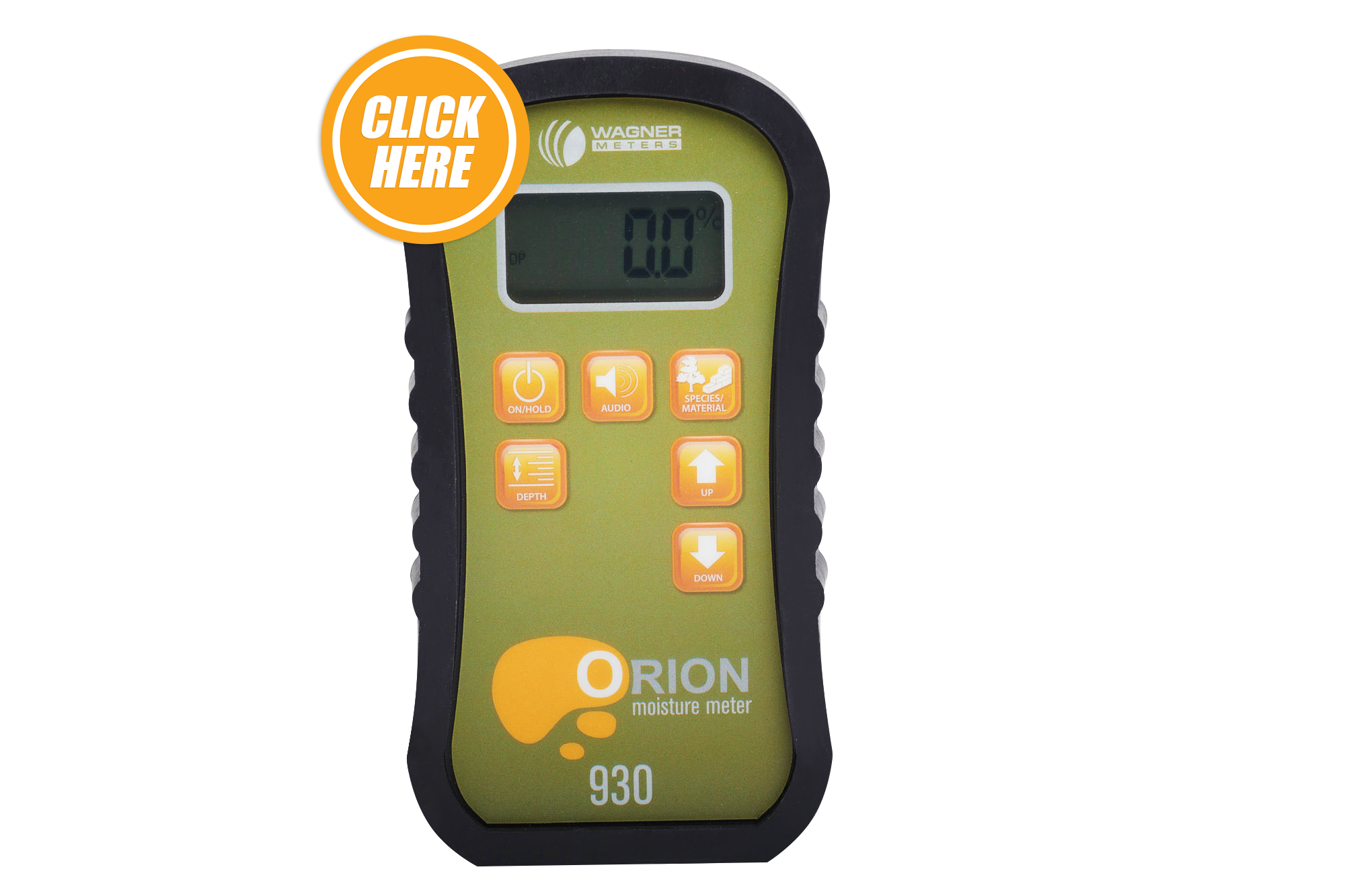
Today, Anderson considers a medidor de umidade essential when working with wood.
“I have a Wagner pinless meter. It’s my go-to tool and the first thing I grab when I’m handling lumber. It’s very easy-to-use. You just slide it across the surface and quickly get an average reading for the board’s moisture content.”
"Outra vantagem é que você nunca mais precisa se preocupar em fazer furos na madeira. Essa é uma vantagem clara", diz ele.
Uma bênção maravilhosa
Besides building furniture in his new 2,400-square-foot woodshop, Anderson also runs a sawmill and a lumber kiln. He normally works alone but calls on a few friends to help when he runs the mill.
Anderson says he builds furniture full-time to supplement his retirement, but he also does it for the sheer joy of it. He savors his time in the shop, and because he alone is responsible for every stage of production, he can keep his standards where he wants them.
“Woodworking is a wonderful blessing,” he says. “As a man of faith, I’m grateful to God every day for the blessings in my life. My wife of 34 years died in 2013, but I have this wonderful home nestled on six beautiful acres and the opportunity to pursue a craft that’s much appreciated.”
Compre medidores de umidade Orion

Tony Morgan é técnico sênior da Wagner Meters, onde atua em uma equipe de testes e desenvolvimento de produtos, além de atendimento ao cliente e treinamento para produtos de medição de umidade. Além de 19 anos de experiência em campo em diversas empresas de eletrônicos, Tony possui bacharelado em Administração e mestrado em Tecnologia Eletrônica.
Última atualização em 9 de outubro de 2026

 800-634-9961


